







Choosing between Freeview and Freesat in weak signal areas
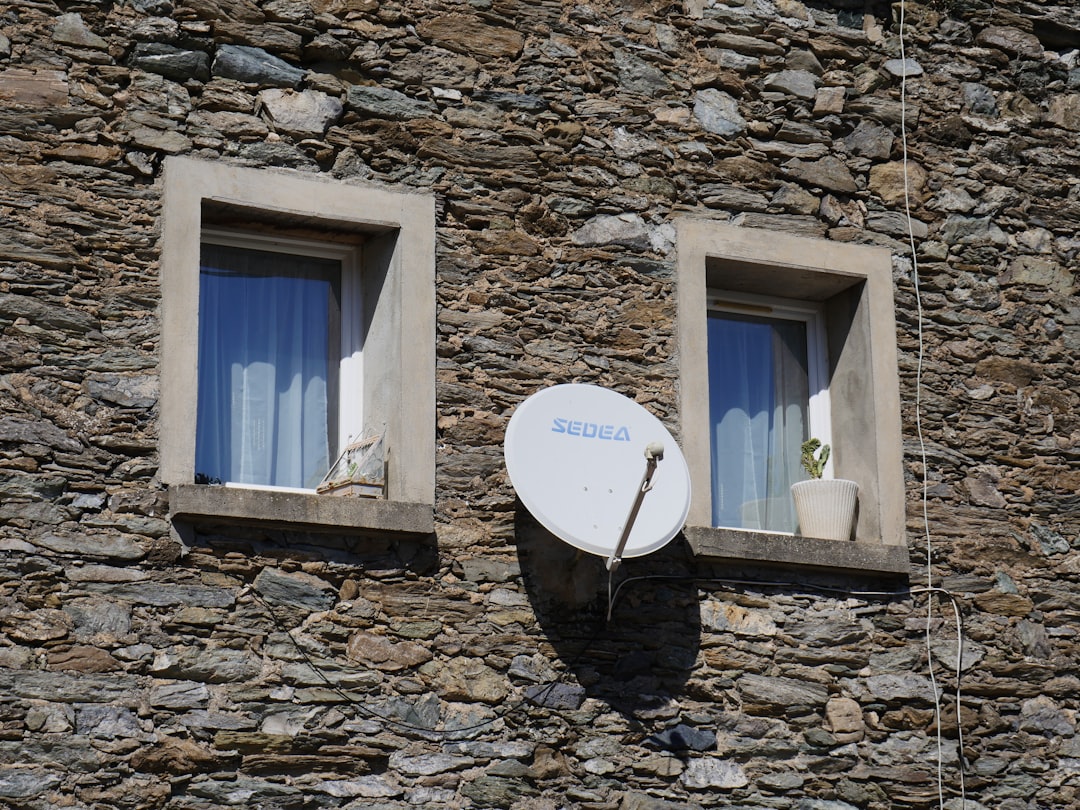
Living in a weak-signal area raises a very practical question: should vous rely on Freeview (terrestrial TV) or invest in Freesat (satellite via Astra 28.2°E)? Je vais vous guider à travers les différences techniques, les contraintes d’installation, la compatibilité avec des équipements comme Sky Q, et les options adaptées aux foyers de Manchester exposés à une réception difficile.
Freeview vs Freesat: how each system delivers TV
How Freeview works and why signal can be weak
Freeview uses terrestrial transmitters (DVB-T/T2) such as Winter Hill for Greater Manchester. When vous êtes in a valley, behind dense trees, or in a building with poor aerial position, the signal strength and quality drop. Freeview HD requires a stable digital signal; multipath reflections, local interference and distance from the transmitter reduce channel availability and picture reliability.
How Freesat and Astra 28.2°E differ
Freesat receives signals from the Astra 28.2°E satellites (DVB-S/S2). A properly aligned satellite dish typically gives a strong, consistent signal across the UK — including Manchester — because the satellite beam covers the whole island. Atmospheric conditions affect satellite reception much less than terrestrial multipath interference, so Freesat often outperforms Freeview in sheltered or low-signal locations.
Reception challenges specific to Manchester and weak-signal areas
Terrestrial constraints around Winter Hill and relays
Even though Winter Hill serves Manchester, pockets of poor reception exist: inner-city flats, streets with narrow sightlines, and properties behind high-rise blocks. Relay transmitters help, but they don't always cover every micro-location. For vous, relying purely on Freeview in a known weak zone can mean missing multiplexes, especially for HD channels.
Satellite line-of-sight and local obstructions
Freesat needs a clear line-of-sight to the southern sky where Astra sits. In Manchester, a rooftop or side-wall dish often works well. Obstructions like tall buildings or mature trees can block the signal. Je recommande a site survey (visual check from the planned dish position) before committing. A professional installer uses a meter to confirm lock on Astra 28.2°E.
Equipment, dish sizing, and Sky Q compatibility
Choosing dish size, LNB type and cabling
Dish size matters: for urban Manchester a 45–60 cm dish often suffices, but where obstructions or marginal reception exist, step up to 60–80 cm. Use a quality DVB-S2-compatible LNB. If vous voulez multiple tuners or rooms, choose a quad LNB or a multiswitch. Use good coax (e.g., 75Ω, low-loss) and keep runs as short as practical to preserve signal.
Sky Q: can vous use it for Freesat?
Sky Q hardware is primarily designed for Sky’s subscription ecosystem and uses Sky’s satellite feed from Astra 28.2°E. Technically, a Sky dish aligned to Astra can receive Freesat free-to-air signals, but Sky Q software/EPG is proprietary and may not support Freesat EPG or certain free channels directly. For a hassle-free Freesat experience, je suggère d’installer a Freesat-certified set-top box or a TV with a built-in DVB-S2 tuner. If vous already have Sky equipment, check with an installer whether a separate feed or configuration is required for Freesat boxes alongside Sky receivers.
Practical decisions: cost, installation and viewing habits
When Freesat is the better choice
Choose Freesat if vous live in a known weak Freeview patch, if rooftop aerial placement is impossible, or if vous want a stable HD lineup and more satellite-only channels. The main trade-off is the initial cost: dish installation (labour + hardware) and potentially permissions (landlord or building management).
When to stick with Freeview or use hybrids
Keep Freeview if vous receive a solid signal from Winter Hill and want the convenience of an aerial-only setup with built-in TV tuners. Consider a hybrid approach if vous have good broadband: use Freeview for many channels and rely on streaming apps (BBC iPlayer, ITVX, All 4) for anything missing. If vous have multiple rooms, weigh the cost of multiswitches and extra boxes against using smart TVs and streaming sticks.
- Budget factors: aerial vs dish installation costs
- Channel needs: local/regional content vs extra satellite channels
- Property limits: permission for rooftop dish, communal systems
- Reliability: satellite tends to be steadier in sheltered spots
Which option suits Manchester weak-signal homes?
Je recommande this pragmatic path: if vous know your Freeview signal is marginal after trying an outdoor aerial and amplifier, investigate Freesat. Start with a site survey by a reputable installer who can confirm Astra 28.2°E lock and suggest the right dish size and LNB. If vous already have Sky infrastructure, ask about wiring variants so vous puissiez run a Freesat box without interfering with Sky Q. For many Manchester homes trapped in signal shadows, Freesat delivers consistent reception and more HD channels, while Freeview remains attractive where reception is strong or where installing a dish is impractical.
- Quick checks: run a Freeview signal scan; inspect roof/side-wall for dish sightline
- If marginal, book a professional satellite survey
- Prefer a DVB-S2 Freesat box or TV for best compatibility
- Consider hybrid streaming to fill programme gaps
Which setup will give vous the best TV night? If you can fit a dish with a clear view to Astra 28.2°E, Freesat is usually the most reliable choice for weak-signal Manchester locations; otherwise, strengthen your Freeview aerial or lean on streaming where broadband allows.
For practical installer guidance, dish-sizing examples and local site-survey checklists relevant to Manchester homeowners, consult redvalecommunications.co.uk.